 listicle
Are Modular Decor Systems Worth It for Corporate Conferences?
Last Updated: November 11, 2026
Quick Summary
Modular decor is worth it for corporate conferences that run several formats in one room or repeat events on a regular calendar. Reusable pipe and drape and panel systems can section one space for keynotes, breakouts and networking, with per-event costs falling as the kit is reused. A one-off event rarely justifies the storage and transport overhead.
- Compare total cost of ownership across every event, not the price of a single build.
- Map the room to scale and confirm ceiling height and rigging limits before committing.
- Keep aisles and accessible routes wide, and never block fire exits or accessible seating.
- Ask for an all-in quote itemizing freight, labor and damage-waiver fees before comparing options.
- Lock the floor plan before the event, since late layout changes count as a new build.
Table of Contents
- What Modular Decor Means for a Conference Space
- Flexibility: Adapting One Room to Keynotes, Breakouts and Networking
- Cost Savings, Reuse and Total Cost of Ownership
- Quick Setup and Teardown Between Sessions and Events
- Branding Options That Stay Consistent Across Events
- Pipe and Drape for Corporate Events: Where It Fits in Your Plan
- Booking Your Modular Decor Package With Event Drape Rental
- Frequently Asked Questions
Event planners know the frustration of a conference room that looks great for the keynote and falls apart at lunch. Modular decor for corporate conferences is one answer to that problem, and Pipe and drape systems can be arranged to flex across formats. Whether modular decor is worth the investment depends on how often you run events, how much your room layout changes, and how much your team spends on rebuilding a space that could have been reconfigured.
What Modular Decor Means for a Conference Space
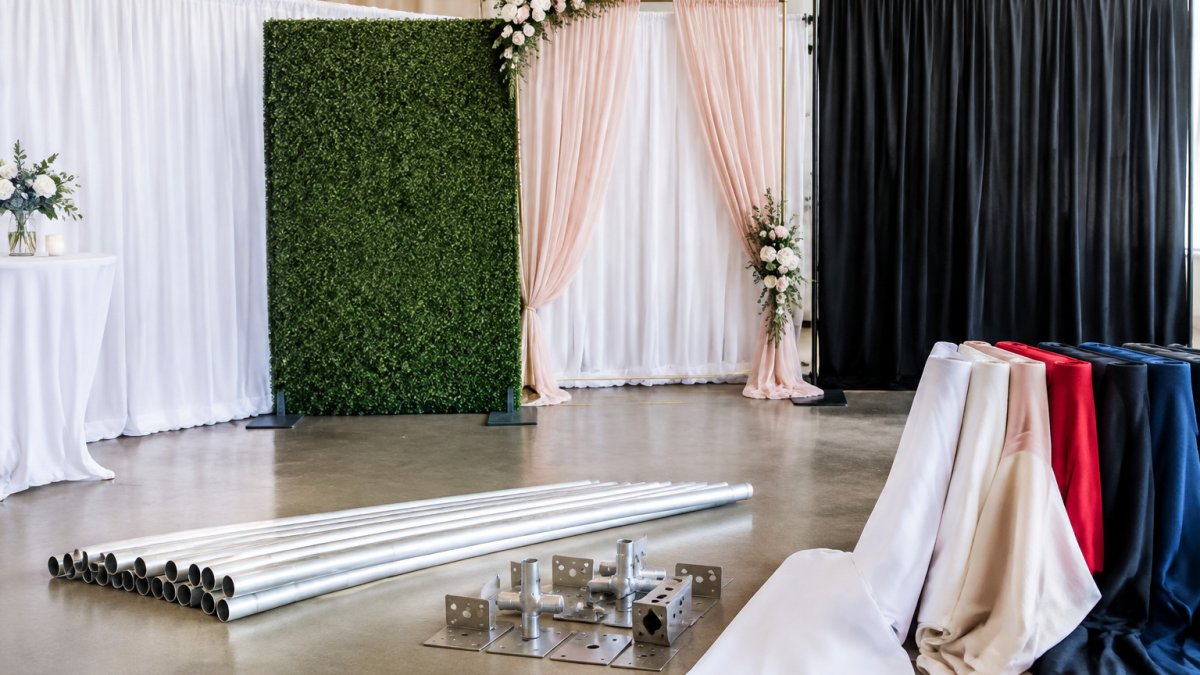
Modular decor is a set of reusable, reconfigurable components, such as pipe and drape, panel walls and fabric dividers, that can be rearranged to change how a room looks and functions. Instead of building a fixed set for each event, planners assemble components on a frame and adjust them between sessions.
The approach matters for corporate conferences because the same room often hosts several different formats in one day. A single hall might need a stage backdrop in the morning, breakout zones after lunch and a networking lounge in the evening.
Flexibility: Adapting One Room to Keynotes, Breakouts and Networking
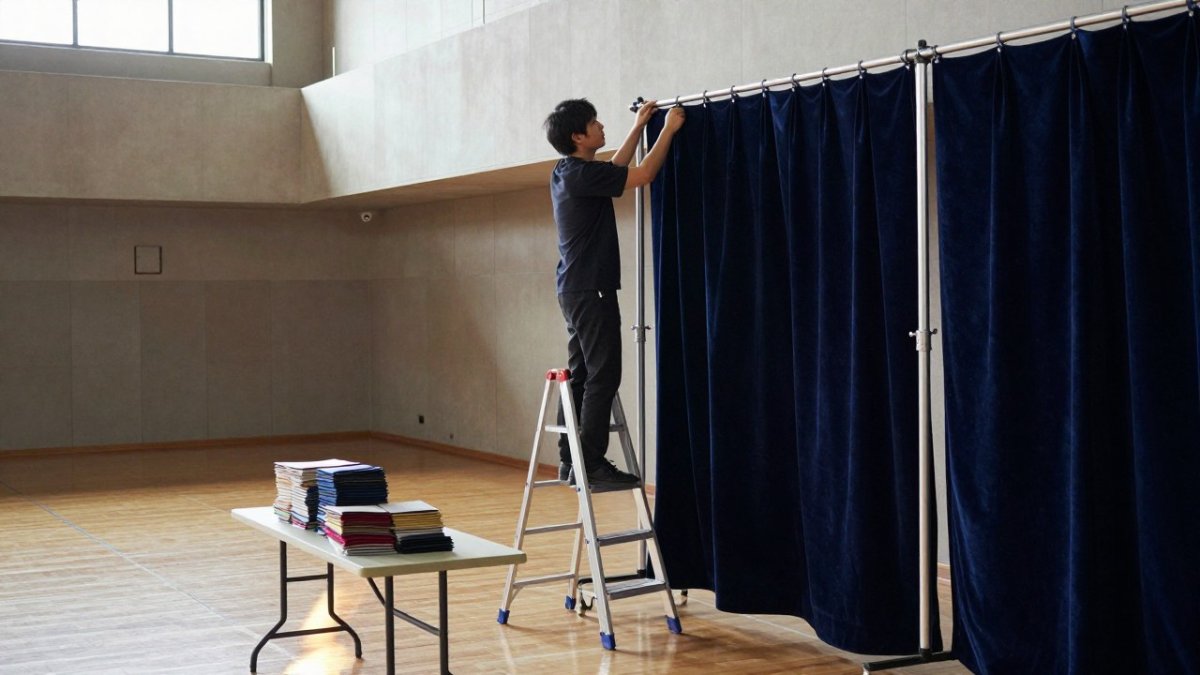
Flexibility is the core argument for modular decor, but for corporate conferences the value is specific: one hall has to serve a plenary, several breakouts, a sponsor expo, and a networking reception, often within the same day. Pipe and drape and panel walls let you section a large room without knocking down walls or booking separate spaces. A draped divider can help section a ballroom into several breakout rooms, with setup time depending on crew size and room layout.

The conference-specific gain is that each format has different spatial needs. A keynote wants clear sightlines to a single stage, so dividers should stay low or be flown out of the sightline. Breakouts want acoustic separation and smaller footprints, which means full-height drape and sealed seams at the joints. A sponsor area wants visible, walkable frontage, so panels should form open corridors rather than closed boxes. A networking lounge wants soft seating and low barriers that encourage conversation.
Attendee experience is where flexibility pays off in ways cost comparisons miss. Clear, consistent dividers can help attendees see the boundary between sections. Layouts that keep aisles wide and stage heights appropriate for the room improve sightlines for seated attendees, including those using wheelchairs or mobility devices. Accessible routes between sections should stay at least as wide as the venue's required egress paths, and drape should never block fire exits or accessible seating areas. Inclusive participation depends on these details as much as on the program.
This matters most when attendance shifts during the day. Planners can expand a networking area if sessions run over, or shrink a breakout zone that is empty. The result is less wasted floor space and a room that feels intentional at every point in the program.
The trade-off is that flexibility depends on planning. Reconfiguring a space works best when the layout is mapped ahead of time, with clear labels for each section and a crew briefed on the changes. Map the room in scale, mark divider anchor points, and confirm ceiling height and rigging limits before you commit to a configuration. A layout that looks flexible on paper can fail if the drape heights do not match the room or if the crew has not rehearsed the changeover.
Watch out: a divider that looks fine in an empty room can create dead zones or block sightlines once attendees and AV equipment are in place. Walk the reconfigured room with the AV lead and a accessibility check before the first session.
Each conference format places different demands on the same room, so the table below summarises how the layout should change for each one.
| Format | Spatial need | Divider approach |
|---|---|---|
| Keynote | Clear sightlines to one stage | Low dividers or flown out of sightline |
| Breakouts | Acoustic separation, smaller footprint | Full-height drape with sealed seams |
| Sponsor expo | Visible, walkable frontage | Open corridors, not closed boxes |
| Networking lounge | Conversation-friendly | Soft seating, low barriers |
Cost Savings, Reuse and Total Cost of Ownership
The savings come from spreading one purchase or rental across multiple events, reducing custom fabrication, and cutting the labor hours tied to building and tearing down unique sets. To judge whether a modular package is actually cheaper, compare total cost of ownership across every event on your calendar, not the price of a single build.
Break the comparison into six line items. First, acquisition: the cost to buy or rent the modular components versus commissioning custom staging, millwork, or printed backdrops for each event. Second, storage: modular kits need clean, dry, secure space between events, and that space has a real monthly cost. Third, transport: pipe, drape, panels, and truss are bulky, so freight and handling charges scale with volume and distance. Fourth, labor: setup and teardown hours for your crew or the venue's labor pool, including any overtime or union rules the venue applies. Fifth, maintenance: fabric cleaning, panel touch-ups, and replacement of damaged connectors. Sixth, refresh: how often you need new graphics or fabric to keep the look current.
A common pattern is that the acquisition line looks higher for modular than for a single custom build, but the per-event cost falls sharply by the second or third use. If your company runs quarterly conferences, the same base kit can serve all four, with only fabric colors or branded panels swapped between them. That reuse is where modular systems usually pay off. A one-off event rarely justifies the storage and transport overhead; a recurring program often does.
Rental versus purchase is the next decision. Rental shifts capital cost to operating expense and avoids storage, but you pay each time. Purchase makes sense when you have secure storage, a predictable event calendar, and enough internal labor to handle setup.
Watch out: a low per-event rental rate can hide delivery, installation, and damage-waiver fees that push the true cost above a purchase over three or four events. Ask for an all-in quote that itemizes freight, labor, and replacement charges before you compare options. Pricing varies with quantity, dates, and delivery, so request a quote from Event Drape Rental for numbers that fit your event schedule.
Quick Setup and Teardown Between Sessions and Events
Setup and teardown time depends on the specific system and crew.
Setup time depends on crew size, room complexity and how many sections you build. Planners should schedule enough time for the first build and test each configuration before attendees arrive. Keeping components sorted and labeled by section speeds teardown and reduces the risk of lost pieces.
Watch out: a quick setup on paper can slow down if the layout changes mid-event. Lock in the floor plan before the event, and treat any late changes as a new build.
Branding Options That Stay Consistent Across Events
Brand consistency is a common concern for corporate planners. Fabric choice can help carry brand colors into a space.
Choose fabric colors that match your brand guidelines before ordering, and confirm availability for the dates you need. Keeping a consistent palette across conferences helps attendees recognize the brand without a new design process each time.
For ideas on applying branding to corporate presentations, see 5 Elegant Backdrop Ideas for Corporate Presentations and the Panel Wall Tiles product page.
Pipe and Drape for Corporate Events: Where It Fits in Your Plan
Pipe and drape is a foundational part of most modular decor plans. It defines spaces, hides utility areas and provides backdrops for stages and photo zones. In a corporate setting, pipe and drape works well for dividing breakout rooms, screening back-of-house areas and framing registration counters.
Where it fits best depends on your room. Tall ceilings allow for dramatic backdrops, while lower ceilings call for simpler dividers. Check the room's height before you plan, and confirm which drape heights and fabric options suit the space.
Pipe and drape is also one of the more flexible options for smaller corporate functions, where a full modular build might be more than the event needs. Match the system to the event's scale.
Booking Your Modular Decor Package With Event Drape Rental
Planning a modular decor package starts with three decisions: the room layout, the number of sections and the branding requirements. Once those are set, request a quote so you can compare the full package against your budget and timeline.
Start with the linen rental options if your event needs table and soft décor pieces alongside your draping. When you are ready to get pricing, use the drape quote request form to send your room dimensions, event dates and color needs.
For larger systems, confirm delivery windows and installation support early.
Corporate conferences ask a lot from a room in a single day. Modular decor gives planners a way to meet those demands without rebuilding the space for every session. If your events change format often, reuse matters, or branding has to stay consistent, a modular system is worth evaluating. Contact Event Drape Rental for a quote on a package built for your next conference.
Frequently Asked Questions
Can modular pipe and drape be reused for different conference layouts?
Yes. Pipe and drape is built from frames, stands and fabric panels that can be reconfigured for a new floor plan, a different room or a different event type. Reuse depends on the fabric, the hardware and how carefully the panels are folded and stored after each event. Event Drape Rental offers over 100 colors and 6 fabric materials, Pricing depends on quantity, dates and delivery, so request a quote from Event Drape Rental for current rates.
What types of modular decor work well at corporate events?
Pipe and drape dividers work well for separating breakout rooms, framing a stage, creating a registration area and hiding back-of-house storage. Backdrops and ceiling treatments suit keynote stages and galas. Drapes from 12 to 30 feet tall can cover tall walls or high ceilings in larger venues. Choose the fabric and color based on the venue, lighting and brand guidelines.
How do you choose a pipe-and-drape setup for a corporate conference?
Start with the floor plan and the number of attendees, then list the zones you need: general session, breakouts, networking and staging. Measure ceiling height and wall lengths before selecting drape heights. Decide whether you need a DIY setup or professional installation, and plan the delivery time around your event schedule. Request a quote from Event Drape Rental with your room dimensions and dates