 how-to
Avoiding Wrinkled Drapes for Event Rentals: 2026 Guide
Table of Contents
- Why Wrinkled Drapes Ruin Event Design (and How to Prevent It)
- What You'll Need to Keep Drapes Wrinkle-Free
- Best Fabric for Wrinkle-Free Event Drapes
- How to Transport Event Linens and Drapes Without Creases
- How to Steam Pipe and Drape On-Site
- Storage and Folding Techniques to Avoid Deep Creases
- Common Mistakes That Cause Wrinkled Drapes for Event Rentals
- Conclusion: Your Wrinkle-Free Drape Checklist
- Frequently Asked Questions
Last Updated: September 16, 2026
Why Wrinkled Drapes Ruin Event Design (and How to Prevent It)
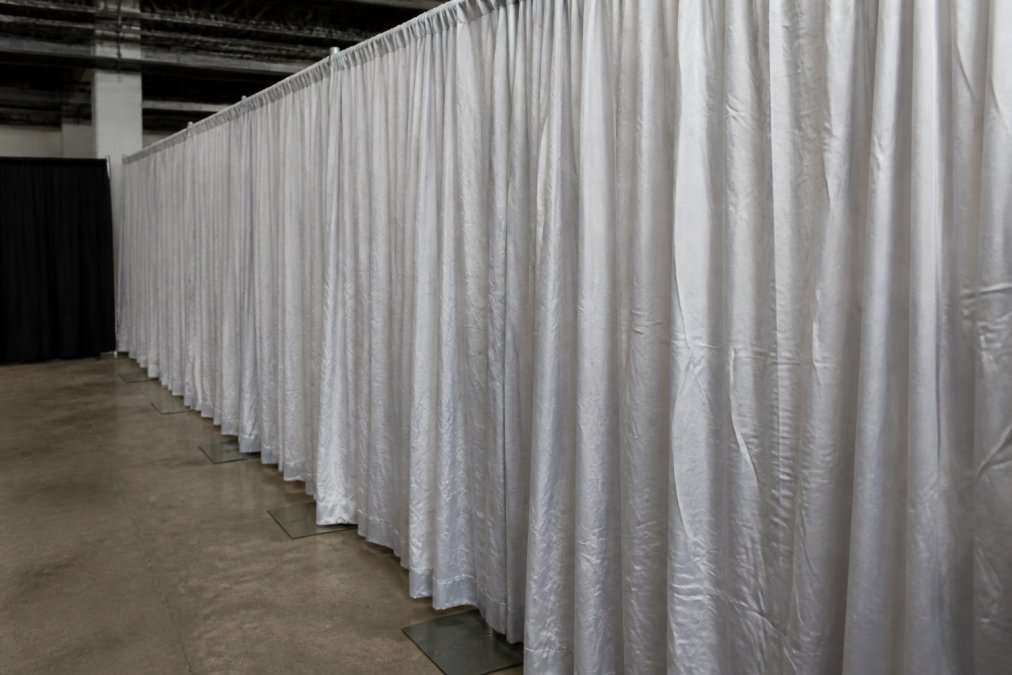
Wrinkled drapes are the fastest way to make a premium event look unfinished. A single crease running through a backdrop reads as neglect, no matter how much the rest of the room cost.
This guide from Event Drape Rental covers the full prevention chain: fabric choice, packing, transport, on-site steaming, and storage. Most planners treat wrinkle removal as a day-of problem. That is the mistake. Creases are created hours or days before load-in, and by the time drapes are hanging, you are managing damage rather than preventing it.
The American rental industry's own guidance from the American Rental Association treats fabric care as a core operational standard, not an afterthought. That framing matters here.
What You'll Need to Keep Drapes Wrinkle-Free
The right toolkit is short and specific. You do not need a full wardrobe department, but you do need the correct items on site before load-in begins.
- Handheld or upright garment steamer with a continuous-fill tank
- Distilled water (tap water leaves mineral deposits on fabric over repeated use)
- Clean cotton gloves for handling
- Rolling garment racks or padded drape carts
- Acid-free tissue paper or clean white sheets for interleaving
- Zip ties and pipe and drape hardware for quick panel swaps
- Lint roller and a soft-bristle brush
A common mistake is arriving with only a steamer and no way to move finished panels without re-creasing them. Plan the transport of steamed goods as carefully as the steaming itself.
Best Fabric for Wrinkle-Free Event Drapes
The best fabric for wrinkle-free event drapes is a medium-weight woven polyester or a polyester-cotton blend, because these fibers recover their shape after folding and resist compression creasing. Natural fibers like cotton and linen look luxurious but hold creases far longer.
Here is the trade-off most guides skip: heavier fabric drapes more beautifully and resists wrinkles better, but it also takes longer to steam and is harder to transport without equipment. Lightweight fabrics fold compactly but crease the moment they are compressed in a vehicle.
Fabric Comparison: Weight, Weave, and Wrinkle Recovery
| Fabric Type | Wrinkle Recovery | Steam Time | Best For |
|---|---|---|---|
| Woven polyester | High | Fast | Pipe and drape, backdrops |
| Poly-cotton blend | Medium-high | Moderate | Ceiling treatments, swags |
| Velvet | Medium | Slow | Statement backdrops |
| Chiffon | Low | Fast | Layered, airy designs |
| Cotton | Low | Moderate | Rustic, natural themes |
Event Drape Rental offers over 100 colors across six fabric materials, so you can match a brand palette without sacrificing wrinkle performance. Match the material to the job first, then confirm the color.
How to Transport Event Linens and Drapes Without Creases
Transport is where most wrinkles are born. Fabric compressed in a box for two hours will crease regardless of quality, so the goal is to keep panels hanging or rolled, never folded flat under weight.
Packing Methods That Protect Fabric
Roll large panels around a wide cardboard tube rather than folding them. Rolling distributes stress evenly and eliminates the hard fold lines that folding creates. For smaller linens, fold once and interleave with acid-free tissue so the crease falls on tissue, not on fabric-to-fabric contact.
- Roll panels over 10 feet; fold only short pieces
- Never stack heavy hardware on top of soft goods
- Label each roll with its panel size for fast load-in
Vehicle Setup and Unloading Tips
Hang rolled panels vertically in the vehicle using bungee cords across a cargo bar. Vertical transport keeps gravity working in your favor. On arrival, unload soft goods first and hang them immediately, even if installation is hours away.
How to Steam Pipe and Drape On-Site
Steam on-site, after hanging, whenever the venue allows it. Hanging first lets gravity pull minor creases out on its own, which cuts your steaming time significantly.
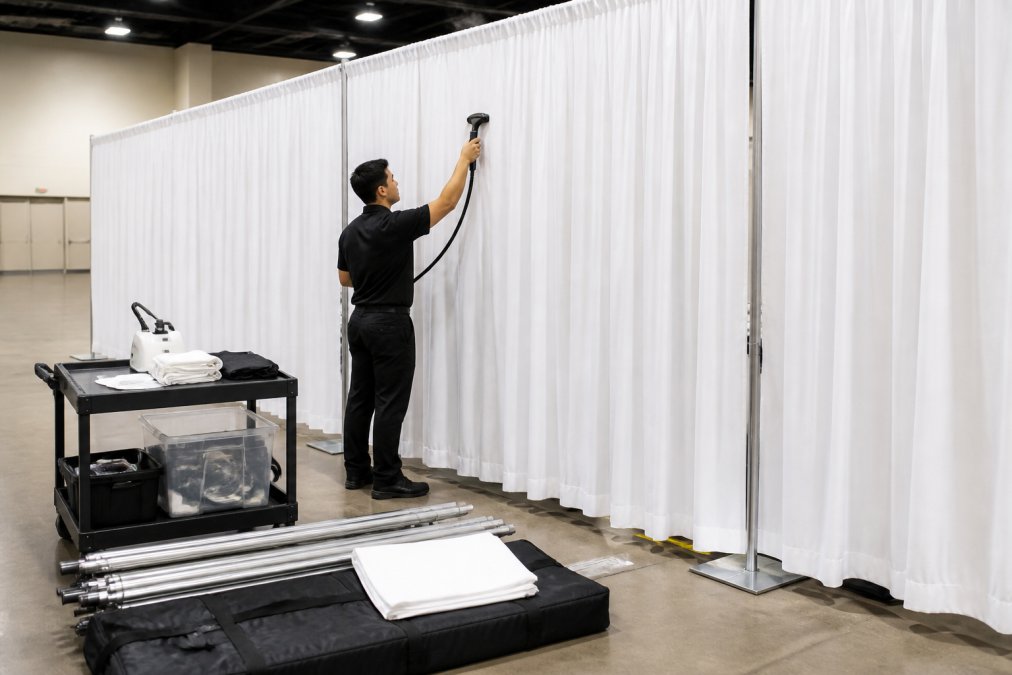
Work top to bottom in slow vertical passes, keeping the steamer head a few inches from the fabric. Overlap each pass by about half. Let the fabric dry fully before touching it, since warm damp fabric stretches and marks easily.
Steaming While Hanging vs. Before Installation
Steaming before installation suits venues with tight load-in windows or strict noise rules, but the panels must then travel to the pipe without being compressed. In practice, pre-steaming only works if you have a rolling rack and a short distance to cover.
Hanging first is faster and produces a better result for tall panels. The exception is ceiling treatments and high swags, where pre-steaming on a rack at ground level is safer than working overhead.
Storage and Folding Techniques to Avoid Deep Creases
Long-term storage creates the deepest creases, because fabric under sustained pressure takes a permanent set. Store drapes hanging in a climate-controlled space whenever possible.
When hanging storage is not available, fold along a different line each time. Folding on the same crease repeatedly trains the fabric to hold that line permanently. Rotate fold positions and interleave with tissue. Keep stored fabric away from direct sunlight, which weakens fibers and fades color over time.
Common Mistakes That Cause Wrinkled Drapes for Event Rentals
The same handful of errors show up at event after event. Avoiding wrinkled drapes for event rentals comes down to eliminating these before load-in day.
- Folding instead of rolling large panels, creating hard lines that steam out slowly
- Steaming too early, then compressing steamed fabric during transport
- Using tap water, which leaves mineral buildup that stiffens fabric
- Stacking soft goods under hardware, crushing panels under weight
- Skipping the dry time, then handling warm fabric and stretching it
- Storing on the same fold line for months, setting a permanent crease
Each of these is preventable with a five-minute change to your process. The cost of getting it wrong is a backdrop that photographs badly for the entire event.
Conclusion: Your Wrinkle-Free Drape Checklist
Use this before every load-in:
- Fabric selected for wrinkle recovery, not just color
- Large panels rolled, not folded
- Soft goods hung vertically in the vehicle
- Distilled water in the steamer
- Steaming done after hanging where the venue allows
- Full dry time before handling
- Storage rotated off previous fold lines
Wrinkles are a logistics problem disguised as a styling problem, and most planners only discover that on load-in day. Event Drape Rental supplies professional-grade pipe and drape from 12 to 30 feet tall, with more than 100 colors and six fabric materials to match any venue or brand palette. Choose DIY delivery or let the team handle installation, and start your next event with fabric that arrives ready to hang. Request a quote from Event Drape Rental and take wrinkles off your event-day checklist.
Frequently Asked Questions
What is the best way to transport event drapes without wrinkling?
Roll drapes around a wide cardboard tube or pool noodle instead of folding them. Place the rolled drapes flat in a clean, dry vehicle, and avoid stacking heavy items on top. For long distances, use a garment bag or a dedicated drape transport bag. If you must fold, use tissue paper between layers and unfold as soon as you arrive. Proper transport prevents deep creases that are hard to remove on-site.
How do professionals remove wrinkles from pipe and drape on-site?
Professionals use commercial-grade steamers with a continuous water supply. They hang the drape on the pipe system, then steam from top to bottom in slow, overlapping passes. A microfiber cloth behind the fabric helps absorb moisture. For stubborn creases, they may use a hand steamer with a brush attachment. Always test on a hidden area first. Steaming while hanging lets gravity help relax the fibers.
Can you steam event drapes while they are hanging?
Yes, steaming while hanging is often the most effective method. The weight of the fabric helps pull out wrinkles as you steam. Use a steamer with a long hose so you can reach heights up to 30 feet. Work in sections, and avoid over-saturating the fabric. Let the drape dry completely before the event. This approach saves time and reduces handling.
What fabric materials are most resistant to wrinkling for event rentals?
Polyester and polyester blends are the most wrinkle-resistant because of their synthetic fibers. They recover quickly after packing. Velvet and satin are prone to creasing but can be steamed effectively. For a wrinkle-free look with minimal effort, choose a medium-weight polyester voile or a crepe-backed satin. Always ask your rental provider about the fabric's wrinkle recovery rating.