 ultimate-guide
Custom Trade Show Backdrops: 2026 Pricing Guide
Table of Contents
- What Drives the Cost of Custom Trade Show Backdrops
- Trade Show Booth Rental Cost 2026: Portable vs. Modular Systems
- Custom Pipe and Drape Pricing: Breaking Down the Components
- Trade Show Display Installation Costs and Hidden Expenses
- Trade Show Booth Design Best Practices for Maximum ROI
- Total Cost of Ownership: Rental vs. Purchase Over 3 Years
- Frequently Asked Questions
Last Updated: September 29, 2026
What Drives the Cost of Custom Trade Show Backdrops
The cost of custom trade show backdrops 2026 varies dramatically based on how you build your display. A 10-by-10 booth with basic materials costs far less than a 20-by-20 custom modular system with premium graphics. Understanding what moves the price needle helps you allocate your budget where it matters most.
Three factors dominate the equation: what the backdrop is made from, how large your booth footprint needs to be, and what level of visual impact you're targeting. Skip any of these considerations, and you'll either overspend or end up with a display that underperforms on the show floor.
Material Selection and Durability
The material you choose determines both upfront cost and longevity. Tension fabric systems cost less initially but require replacement graphics every few years. Hard panel systems and custom modular exhibit structures cost more but last longer and withstand repeated setup cycles without degradation.
Dye-sublimation printing on fabric delivers vibrant, high-resolution graphics but works best on tension fabric backdrops. If you're planning to reuse your display across multiple shows, the durability of your chosen material affects total cost of ownership significantly. A fabric system that needs new graphics after three trade shows will cost more over time than a hard panel system you set up repeatedly without replacement.
Display Size and Booth Footprint
Larger booth footprints require more material and more labor to install. A 10-by-10 pop-up display costs substantially less than a 20-by-20 custom modular system. However, the relationship between size and cost isn't linear. Doubling your booth footprint doesn't double your costs, it typically increases them by 40-60% depending on the system type.
Your exhibition hall space constraints often dictate booth footprint. Confirm your allocated floor space before selecting a display system. An oversized backdrop won't fit, and undersizing your display diminishes brand visibility. The sweet spot balances your brand presence with your actual square footage allocation.
Graphic Resolution and Custom Printing
High-impact visuals demand high-resolution graphics. Standard resolution works for text and simple graphics. Photo-quality imagery requires 300 DPI (dots per inch) printing to look sharp from 10 feet away. Custom printing for complex designs or photography costs more than basic graphics but dramatically improves lead generation and brand recall on the show floor.
The complexity of your design also affects pricing. A single-color graphic costs less than a multi-color custom design with photography. If your trade show strategy relies on visual merchandising and high-impact visuals to attract foot traffic, investing in premium printing quality returns measurable ROI through increased booth engagement. Dynamic digital elements can further amplify this visual presence, though integrating such technology requires a careful evaluation of LED video screen pricing to ensure your budget remains aligned with your overall marketing objectives.
Trade Show Booth Rental Cost 2026: Portable vs. Modular Systems
Renting versus purchasing trade show display systems represents one of the largest budget decisions. Rental works well for companies attending fewer than three shows annually. Purchase makes sense when you're committed to a consistent trade show strategy across multiple events.
The rental model shifts your cost structure. Instead of capital investment, you pay per-event fees. This approach works for companies testing whether trade shows deliver ROI before committing to custom systems. However, rental costs accumulate. Three rental events at typical rates often exceed the cost of a basic purchased system.
Pop-Up Displays and Tension Fabric Solutions
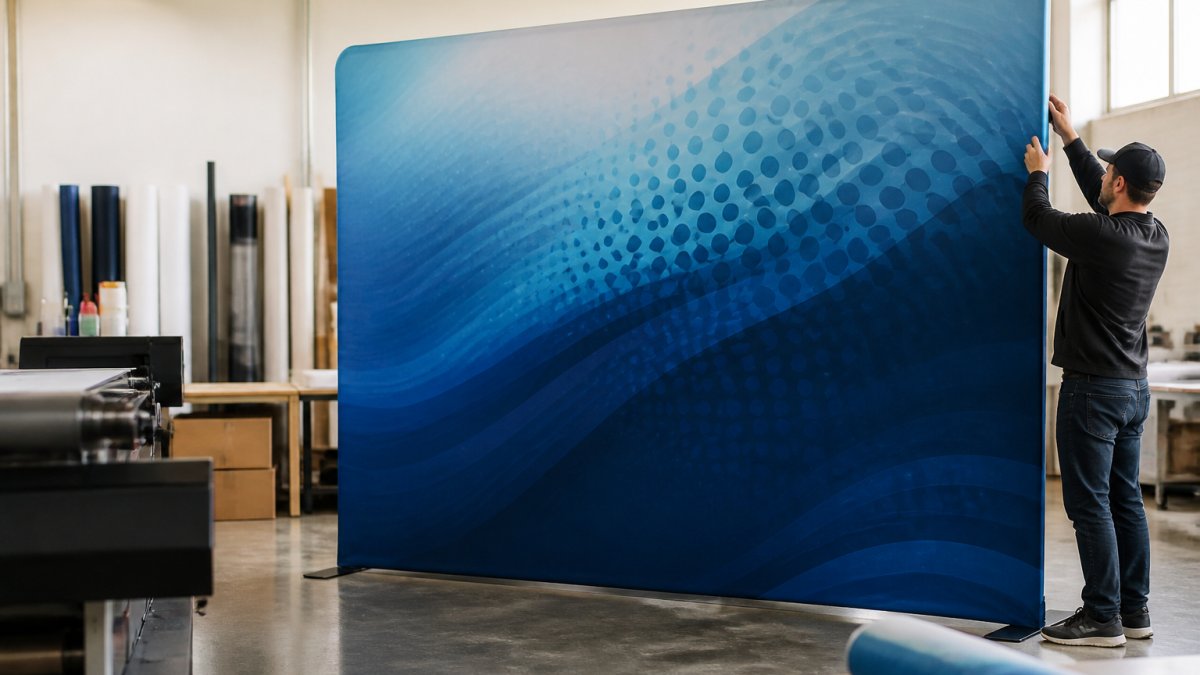
Pop-up displays are the entry-level option for trade show backdrops. They assemble in minutes, require minimal setup labor, and transport easily. Tension fabric systems use SEG (Silicone Edge Graphics) technology to create seamless graphic displays with tool-free assembly. These systems cost less than custom modular exhibits but offer limited customization.
Pop-up displays work best for companies with simple messaging and limited budget. Tension fabric solutions suit brands that want premium visual impact without the complexity of hard panel systems. Both options reduce installation and dismantle (I&D) labor costs significantly compared to custom builds.
A common mistake is underestimating setup time. Even "quick assembly" pop-ups take 30-45 minutes for one person. Tension fabric systems typically require 45-60 minutes for a single technician. If you're paying installation labor, these time differences add up across multiple shows.
Custom Modular Exhibit Systems
Custom modular systems offer maximum flexibility. You configure booth layouts to match your allocated floor space, add or remove components as your needs evolve, and maintain consistent branding across multiple shows. These systems use truss frameworks, hard panels, and integrated technology mounts. Setup time ranges from 2-4 hours depending on complexity.
Custom modular systems represent the highest initial investment but deliver the lowest per-show cost over time. A system you use for five years across 10 shows costs less per event than renting the same footprint for 10 events. The hardware durability of modular systems means you're investing in a long-term asset, not paying rental fees repeatedly.
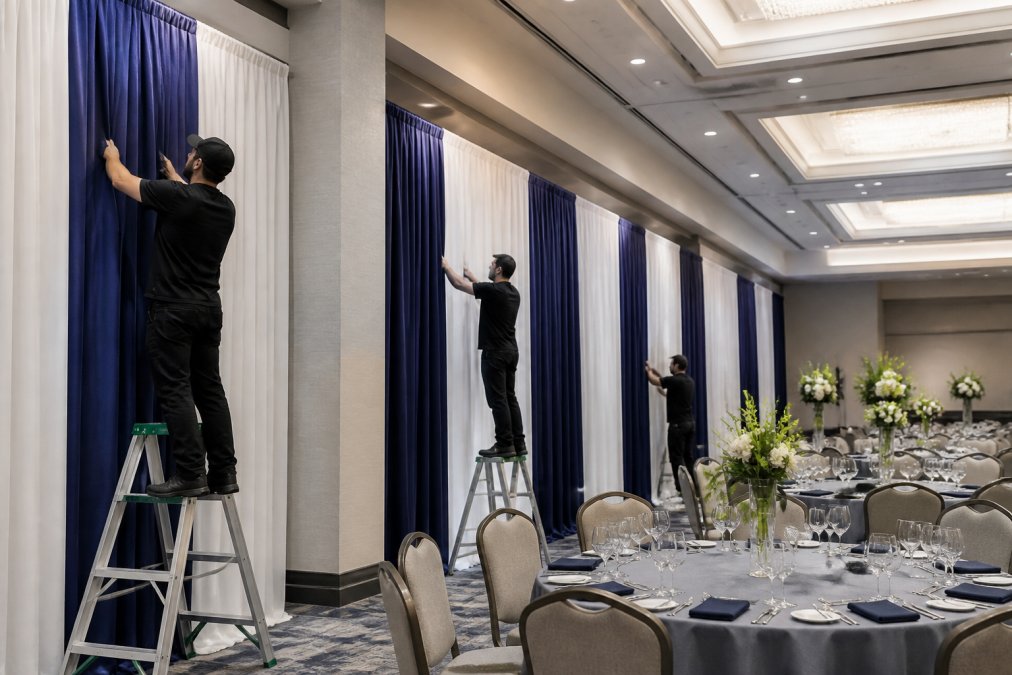
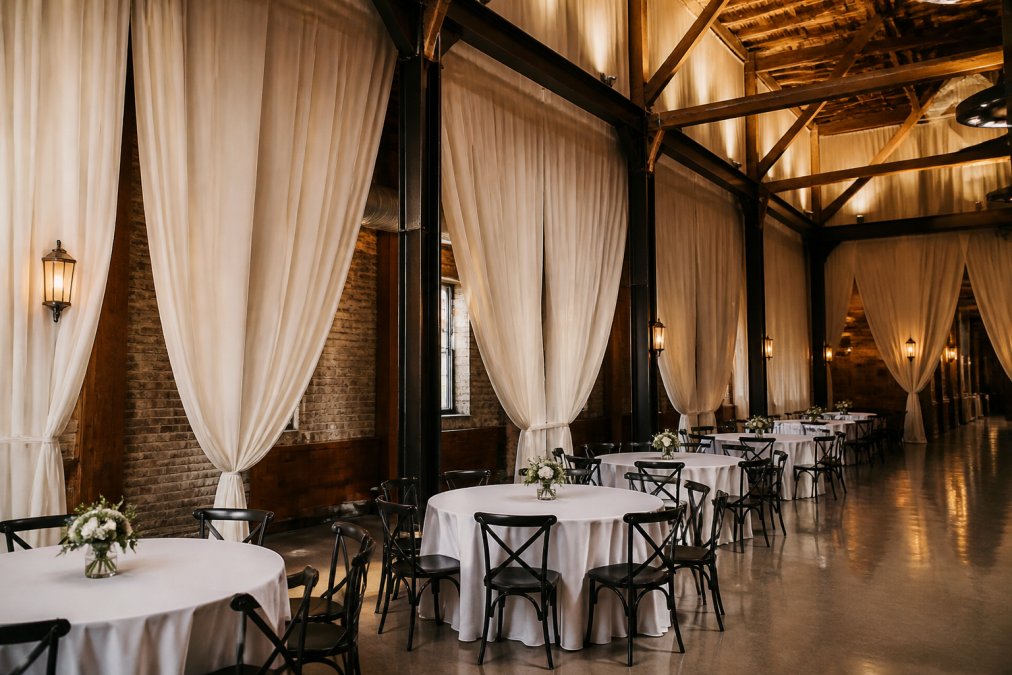
Event Drape Rental provides premium pipe and drape solutions for a wide range of occasions. Our high-quality drapes, ranging from 12 to 30 feet in height, ensure your event looks spectacular.
Custom Pipe and Drape Pricing: Breaking Down the Components
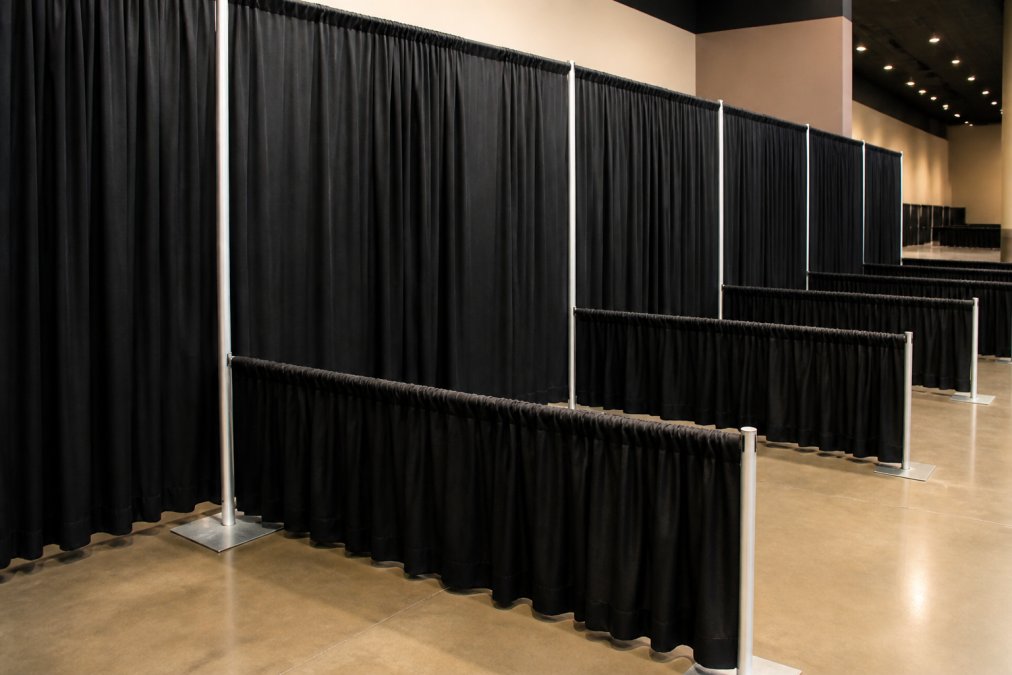
Pipe and drape systems form the backbone of booth structure and visual definition. Understanding component costs helps you build accurate budgets and avoid surprise expenses during setup.
Hardware, Draping Fabric, and Installation Labor
The hardware, pipes, bases, connectors, and brackets, represents the largest component cost. Quality hardware resists corrosion, supports repeated assembly cycles, and maintains structural integrity across multiple shows. Cheap hardware fails quickly and creates liability risks if a display collapses.
Draping fabric costs depend on material selection. Standard polyester drapes cost less than premium fabrics like velvet or specialty materials. Flame-retardant certification (required by most exhibition halls) adds cost but is non-negotiable for liability and insurance compliance. Most venues require NFPA 701 compliance for all draping materials.
Installation labor varies by complexity. A simple pipe and drape backdrop takes 1-2 hours to assemble. Complex multi-level systems with custom heights and integrated lighting require 3-4 hours or more.
Trade Show Display Installation Costs and Hidden Expenses
The sticker price of your display system rarely reflects your total cost. Installation, logistics, and contingency planning add substantial expenses that catch many exhibitors off guard.
Setup Time, Drayage, and Logistics
Drayage, the cost to transport your display from the loading dock to your booth space within the exhibition hall, is a hidden expense many exhibitors overlook. Drayage fees range based on weight, distance, and venue. Some venues include drayage in booth rental. Others charge separately. Confirm with your venue before budgeting.
Shipping Weight and Damage Prevention
Shipping costs scale with weight and dimensions. A lightweight pop-up display ships economically via standard carrier. A heavy custom modular system requires freight services and potentially specialized handling. Oversized crates increase shipping weight and cost.
Trade Show Booth Design Best Practices for Maximum ROI
Your display design directly impacts lead generation and brand visibility. A well-designed booth attracts foot traffic and converts visitors into qualified leads. A poorly designed display blends into the exhibition hall background.
Backlit Graphics and High-Impact Visuals
Backlit graphics command attention in crowded exhibition halls. LED-illuminated displays create visual hierarchy and draw eye movement toward your key messaging. Backlit graphics cost more than standard printed graphics but deliver measurable ROI through increased booth traffic.
Lead Generation and Brand Visibility Strategy
Your booth design should facilitate lead capture. Interactive elements, demo stations, or giveaways create reasons for visitors to stop and engage. Clear calls-to-action guide visitors toward your desired next step, scanning a QR code, scheduling a demo, or providing contact information.
Total Cost of Ownership: Rental vs. Purchase Over 3 Years
Comparing rental and purchase decisions requires looking beyond single-event costs. A three-year analysis reveals the true financial impact of each approach.
Long-Term Budget Allocation and Sustainability
Long-term budget allocation should account for maintenance, updates, and replacement cycles. A purchased display system requires occasional repairs and periodic graphic updates. These ongoing costs are lower than rental fees but shouldn't be ignored in your budget planning.
Frequently Asked Questions
How much do custom trade show backdrops cost in 2026?
The cost of custom trade show backdrops varies based on size, material, and installation method. Pricing depends on booth footprint, fabric type (tension fabric, dye-sublimation printing, or standard draping), and whether you choose rental or purchase options. For accurate pricing tailored to your specific needs, request a quote and provide details about your exhibit design and floor space requirements.
What factors influence the price of a custom trade show display?
Key factors include display type (pop-up, modular exhibit, or pipe and drape), material durability and graphic resolution, booth height and footprint, custom printing specifications, installation and dismantle (I&D) labor, drayage and shipping weight, and whether you need professional installation or tool-free assembly. High-impact visuals and backlit graphics typically cost more than standard options.
Is it cheaper to rent or buy a custom trade show backdrop?
Rental is typically more cost-effective for occasional exhibitors, while purchase offers better long-term ROI for companies exhibiting multiple times annually. Consider total cost of ownership over three years, including storage, maintenance, and hardware durability. Rental eliminates upfront capital investment and shipping logistics, while ownership provides consistent brand visibility and eliminates recurring rental fees for frequent exhibitors.
Are there hidden costs associated with trade show booth graphics?
Yes. Beyond the backdrop itself, budget for drayage (material handling at the exhibition hall), installation and dismantle labor, custom printing if updating graphics, shipping weight and damage prevention, setup time, and potential rush fees. Professional installation adds cost but ensures technical specifications are met and reduces setup time. Always clarify what's included in quoted pricing before committing.