 how-to
Professional Drape Rental Quality Check: 2026 Guide
Table of Contents
- Why a Drape Rental Quality Check Decides Your Event
- Event Drapery Fabric Types and What They Mean for Quality
- Flame Retardant Drape Standards You Should Verify
- The Drape Rental Inspection Checklist for Delivery Day
- Fabric Fullness, Panel Dimensions, and Linear Foot Pricing
- Professional Installation vs. DIY Setup: What Changes
- Fabric Maintenance, Cleaning, and Storage Standards
- Troubleshooting Common Drape Setup Failures
- Frequently Asked Questions
Last Updated: September 10, 2026
Why a Drape Rental Quality Check Decides Your Event
A professional drape rental quality check is a structured inspection of fabric, hardware, and installation before and during your event. This single step separates a polished gala from a wrinkled, sagging backdrop that undermines months of planning. According to Event Leadership Institute industry resources, event professionals consistently rank drapery and decor quality among the top factors clients notice first. This guide walks through fabric types, flame retardant requirements, inspection checklists, and setup troubleshooting so your next event looks flawless. The stakes are simple: drapery is often the largest visual surface in the room, and flaws get magnified.
Event Drapery Fabric Types and What They Mean for Quality
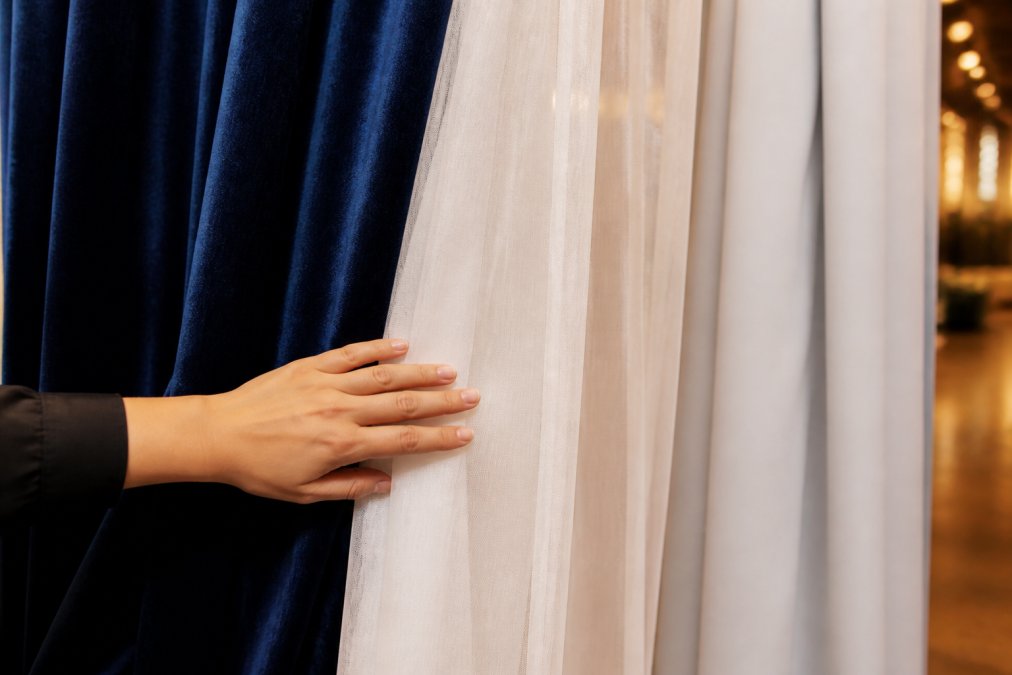
Event drapery fabric types determine how your drapes hang, reflect light, and hold up under handling. The three most common categories for rental inventory are velour, sheer, and poly-premier, each with distinct weight and finish characteristics.
Velour is a heavyweight, plush fabric with a dense pile that blocks light and adds dramatic depth. It's the standard for blackout backdrops and stage masking. Sheer fabrics are lightweight and translucent, ideal for soft ceiling treatments and airy ceremony backdrops. Poly-premier is a mid-weight polyester blend that resists wrinkling and holds color well, making it a reliable workhorse for trade show displays.
Velour, Sheer, and Poly-Premier Compared
| Fabric | Weight | Best For | Wrinkle Resistance |
|---|---|---|---|
| Velour | Heavy | Blackout backdrops, stage masking | Moderate |
| Sheer | Light | Ceiling treatments, ceremony backdrops | High |
| Poly-Premier | Medium | Trade show booths, corporate events | High |
Material quality directly affects structural integrity. A common mistake is choosing fabric by color alone without checking weight, which leads to drapes that puddle or billow unexpectedly.
Flame Retardant Drape Standards You Should Verify
Flame retardant drape standards exist because event venues are regulated spaces, and drapery is a combustible material. In the United States, the relevant benchmark is NFPA 701, the Standard Methods of Fire Tests for Flame Propagation of Textiles and Films, published by the National Fire Protection Association (nfpa.org). Many venues require documented proof of compliance before drapes can be installed.
Verification is straightforward but often skipped. Ask your rental provider for a certificate of flame retardancy tied to the specific fabric and batch, not a generic statement. Confirm the certificate is current, since treatments can expire or degrade with repeated cleaning. The NFPA 701 standard documentation outlines the test methods your certificate should reference.
The Drape Rental Inspection Checklist for Delivery Day
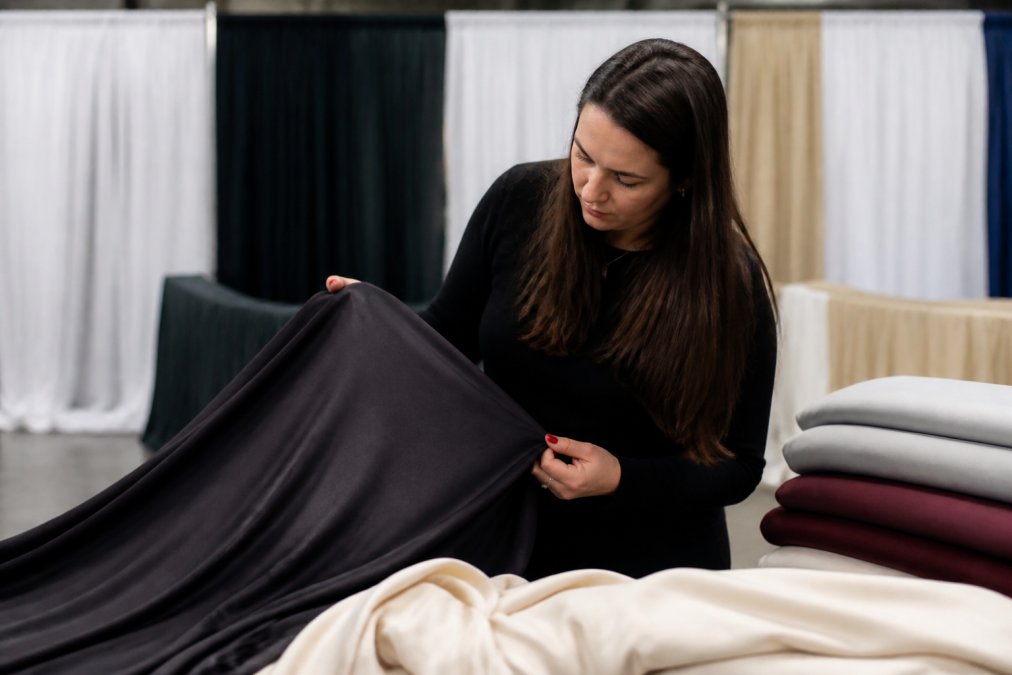
The drape rental inspection checklist is your defense against wrinkled, damaged, or mismatched inventory. Run it the moment drapes arrive, before installation begins, and again after setup is complete. The checklist below turns quality into a pass/fail inspection you can complete in about 15 minutes per 20 linear feet.
Pre-Installation Inspection: What to Check Before Anything Goes Up
Do this inspection on the loading dock or staging area, not after hardware is assembled. Once uprights are standing, you lose the ability to reject a panel without tearing down the setup.
- Count every drape panel against the rental agreement, confirm panel count, not just total linear feet
- Unfold each panel and inspect under direct light for wrinkles, stains, tears, and color mismatches between panels
- Check the top hem and bottom hem for fraying or pulled stitching
- Verify the flame retardant certificate matches the fabric batch on the delivery manifest
- Inspect base plates for cracks, rust, bent corners, or missing weight slugs
- Verify uprights are straight, roll each one on a flat surface to check for bends
- Confirm crossbars extend and lock at the correct width without slipping
- Test height adjustment mechanisms on telescoping uprights through the full range
- Photograph any damage before signing the delivery receipt
Pass/Fail Criteria: What Counts as a Rejection
A checklist only works if you know when to say no. Use these thresholds:
- Fabric wrinkles: Reject if creases are deep enough to cast visible shadows under event lighting. Light surface folds usually steam out on-site; hard-set creases from flat storage will not.
- Stains: Reject any panel with visible staining on the face side. Back-side stains are acceptable only if the fabric is fully opaque.
- Color mismatch: Reject if two panels of the same nominal color read differently under the same light source. Dye-lot variation is common; matching panels should be pulled from the same lot.
- Hardware: Reject any base plate with cracks, any upright with a visible bend, and any crossbar that does not lock positively.
- Flame retardant documentation: Reject the delivery if the certificate does not name the specific fabric and batch. A generic statement is not sufficient for most venue load-in requirements.
Hardware, Base Plates, and Uprights
Hardware stability is where cheap rentals reveal themselves. Base plates should be heavy enough to resist tipping when a guest brushes against a drape, and uprights should telescope smoothly without wobbling at full height. Check that crossbars seat fully into their fittings; a partially seated crossbar can drop a whole panel mid-event.
A practical field test: with the upright at full height, apply light lateral pressure by hand. A properly weighted base should resist without lifting. If the base plate lifts, the plate is undersized for the span or the floor is uneven, address it before continuing.
Post-Installation Verification
After setup, walk the finished run and check:
- Panels hang at a consistent height across the full span
- No gaps between panels when viewed from the audience side
- Fabric fullness reads evenly, no flat spots or over-gathered sections
- Crossbars are level and locked
- Base plates are fully covered or dressed if the design calls for it
- Nothing blocks egress paths or fire exits
Fabric Fullness, Panel Dimensions, and Linear Foot Pricing
Fabric fullness describes how much fabric is used relative to the width it covers, and it's the single biggest driver of visual quality. Fullness is expressed as a ratio: a 2:1 fullness means two feet of fabric for every foot of coverage. Standard rental drapes typically run between 1.5:1 and 3:1, with higher ratios producing richer, more gathered folds.
Panel dimensions and linear foot pricing connect directly to fullness. Rental estimates are usually quoted per linear foot of coverage, so a wider backdrop with high fullness costs more than the same width at a lower ratio. Pricing depends on quantity, fabric type, height, delivery distance, and installation needs, so request a quote rather than relying on generic online figures.
| Fullness Ratio | Look | Typical Use |
|---|---|---|
| 1.5:1 | Light gathering | Budget backdrops |
| 2:1 | Balanced folds | Most events |
| 3:1 | Deep, rich folds | High-end galas |
Professional Installation vs. DIY Setup: What Changes
Professional installation versus DIY setup comes down to time, risk, and finish quality. DIY pipe and drape is entirely viable for smaller setups, and many planners handle it successfully with the right hardware. But the failure rate climbs fast as height and width increase.
Professional setup typically includes site inspection, layout planning, and trained crews who know how to tension fabric for a wrinkle-free hang. The cost difference depends on scope, travel, and timeline, so it's worth getting a quote for both scenarios. Installation labor is often a small fraction of total event spend, while a botched DIY setup can cost far more in rework and reputation.
For backdrops over 12 feet tall or spanning more than 20 feet wide, professional installation usually pays for itself in avoided rework and a cleaner final look.
Fabric Maintenance, Cleaning, and Storage Standards
Fabric maintenance and cleaning standards protect both appearance and safety, but "clean" is not a single standard, it is a set of verifiable conditions you can ask a vendor to document. Renters can end up with inventory that looks fine in a warehouse photo and arrives creased, faded, or with expired flame retardant treatment.
What "Clean" Actually Means for Rental Drapes
Ask your provider to define clean in writing. A credible standard covers four things:
- Surface condition: No visible stains, soil lines, or odor on the face side. Odor is often the first sign of improper storage.
- Flame retardant currency: Treatment can degrade with repeated cleaning and over time. The certificate should be current and tied to the specific fabric batch, not a blanket statement about the vendor's inventory.
- Wrinkle-free standard: Drapes should arrive either hung or rolled, not folded flat. Creases that set into fabric over weeks of flat storage will not steam out reliably on-site.
- Color consistency: Panels pulled for the same event should come from the same dye lot. Ask how the vendor tracks lots.
Cleaning Methods by Fabric Type
Different fabrics tolerate different cleaning methods, and using the wrong one can strip flame retardant treatment or damage the pile.
- Velour: Spot-clean with a mild detergent and low-moisture method. Avoid soaking, which can mat the pile and shorten the fabric's life. Steam between rentals to lift pile and remove surface creases.
- Sheer: Gentle handling is critical. Sheers snag easily, so inspect for pulls before and after every rental. Cleaning should be low-agitation to avoid distorting the weave.
- Poly-premier: The most forgiving of the three. Most poly-premier inventory can be machine-washed on a gentle cycle, but confirm the vendor's process, high heat can set wrinkles and dull the finish.
Harsh cleaning agents and high-heat drying can degrade flame retardant treatment. If a vendor cannot describe their cleaning process, assume the treatment status is unknown and verify the certificate before load-in.
Storage Standards That Protect Quality
Storage matters as much as cleaning. Drapes should hang or roll rather than fold, since creases set into fabric over time and show up on event day. A provider that stores drapes flat in bins will deliver wrinkled inventory no matter how good the fabric is.
A few storage practices worth asking about:
- Climate control: Damp storage invites mildew, especially in velour. Ask whether inventory is stored in a climate-controlled space.
- Rolling versus hanging: Rolling on a core is common for transport; hanging is preferred for long-term storage. Either is acceptable if creases are not setting.
- Pest control: Natural-fiber blends and stored textiles attract pests. A vendor with a pest management routine is a better bet than one who does not mention it.
- Bagging and labeling: Each panel should be bagged and labeled with fabric type, size, and dye lot so the right inventory ships to the right event.
Questions to Ask Before You Sign
- What is your cleaning process, and how often is inventory cleaned between rentals?
- Can you provide a current flame retardant certificate for the specific fabric and batch?
- How is inventory stored, and is the space climate-controlled?
- How do you track dye lots to ensure color consistency across panels?
- What is your policy if a panel arrives with wrinkles or stains that will not steam out on-site?
A vendor who can answer these questions with specifics is a vendor whose "quality" claim is verifiable. A vendor who cannot is asking you to take it on faith, which is exactly the risk a quality check is meant to eliminate.
Troubleshooting Common Drape Setup Failures
Troubleshooting common drape setup failures starts with identifying the symptom. Sagging crossbars usually mean the span is too wide for the hardware rating. Wrinkled panels often trace back to improper storage or missing fullness. Wobbly uprights typically indicate an undersized base plate or uneven flooring.
- Sagging backdrop: add a support upright at the midpoint
- Visible wrinkles: steam on-site or request pre-steamed inventory
- Tipping risk: upgrade to heavier base plates
- Gaps between panels: increase panel count or fullness ratio
- Height mismatch: recalibrate telescoping uprights before locking
A pre-installation inspection catches most of these before guests arrive. Walk the space, check floor level, and confirm every measurement against your layout plan.
Frequently Asked Questions
What should I look for when inspecting rental event drapes?
Check fabric for wrinkles, stains, tears, and color consistency across all panels. Verify flame retardant certificates are current. Inspect base plates for cracks, uprights for bending, and crossbars for secure locking mechanisms. Confirm panel count and fullness match your rental agreement. Test height adjustment before installation begins. Document any issues with photos immediately and notify your rental provider before setup starts so replacements can be arranged.
How do I ensure my pipe and drape setup is professional grade?
Professional-grade setup starts with accurate measurements and a site inspection. Use base plates rated for your drape height and fabric weight, and confirm uprights lock securely at the correct height. Fabric fullness should reach 50 to 75 percent for a proper drape effect, meaning you need more panels than the raw linear footage suggests. If your venue has high ceilings or unusual load-in conditions, professional installation services prevent costly on-site failures.
What are the common signs of poor quality event drapery?
Thin fabric that lets light through when it should block it, inconsistent panel widths, fraying edges, and faded color across panels all signal poor quality. Hardware that wobbles under light pressure or base plates that slide on carpet indicate structural problems. Missing or expired flame retardant documentation is a serious red flag. If panels arrive compressed and heavily wrinkled with no steaming plan, the final look will suffer regardless of how good the fabric is.
How much does pipe and drape rental cost?
Pricing depends on quantity, fabric type, drape height, rental duration, delivery distance, and whether you need professional installation. A small backdrop kit costs less than a full room treatment with 30-foot drapes. Request a detailed quote that itemizes panels, hardware, delivery, setup, and breakdown so you can compare accurately. Ask about volume discounts for large orders or multi-day events, and confirm whether rush timelines carry additional fees.
Coordinating drapery across multiple venues or high-profile events leaves little room for wrinkled panels or unstable hardware. Event Drape Rental supplies professional-grade pipe and drape with over 100 colors, 6 fabric materials, and drapes ranging from 12 to 30 feet tall, plus DIY or professional installation options to match your timeline. Get started with Event Drape Rental and request a quote to lock in flame retardant, inspection-ready drapery for your next event.