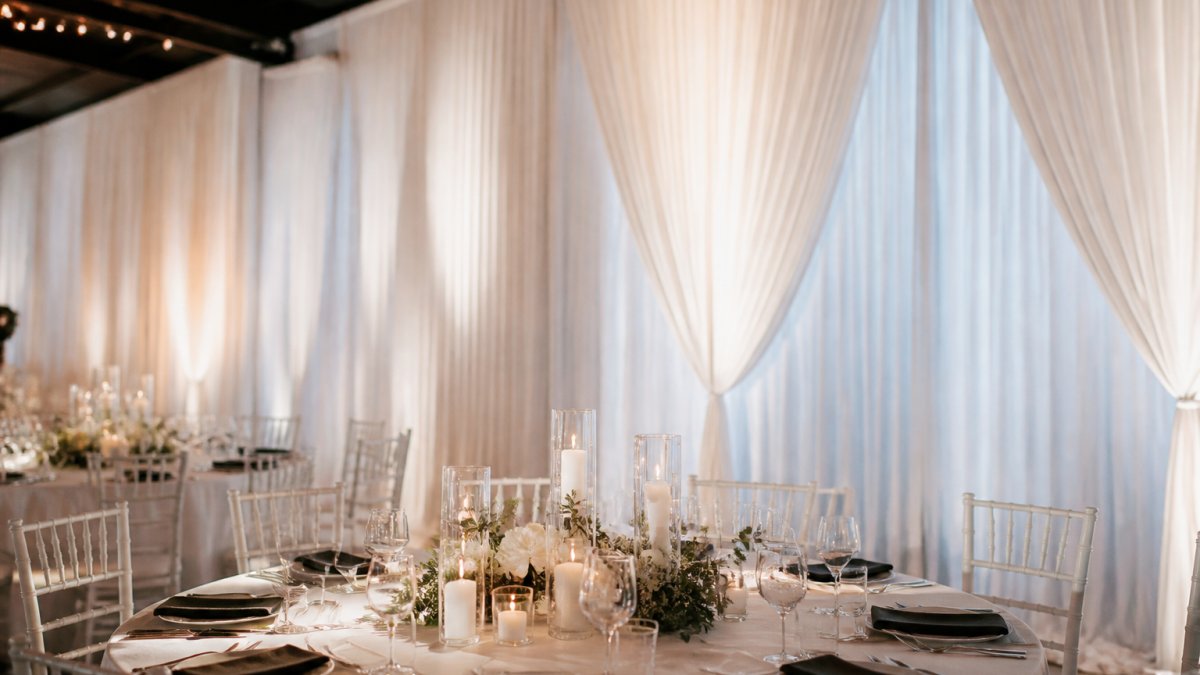
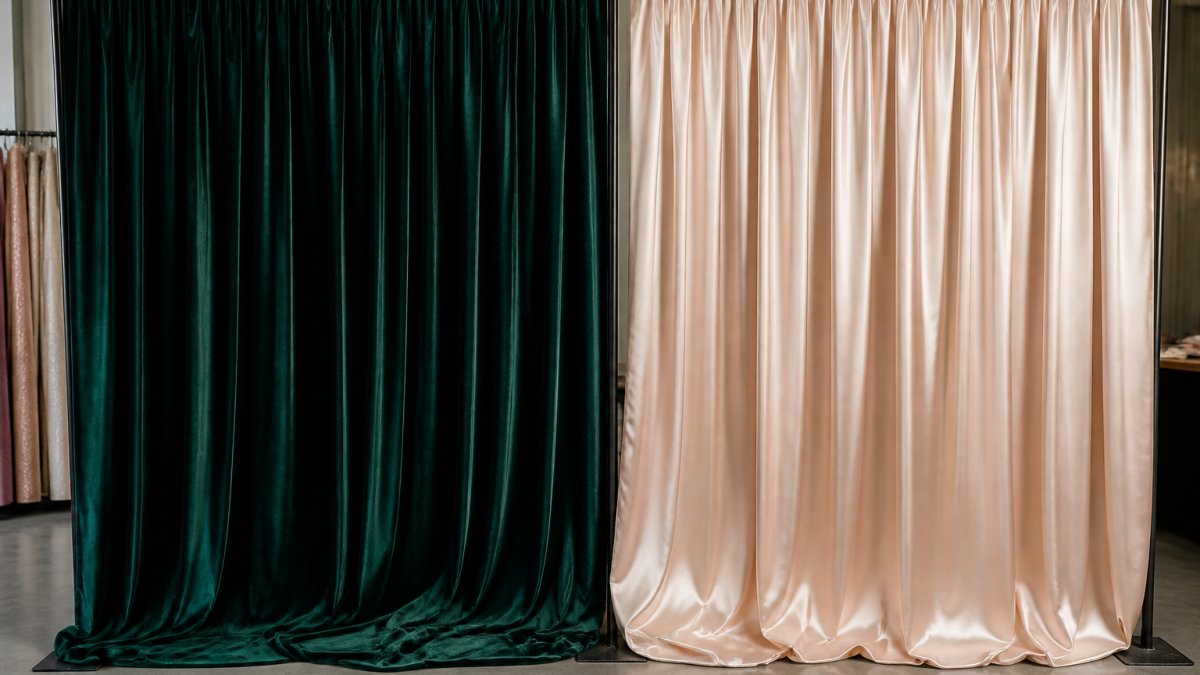
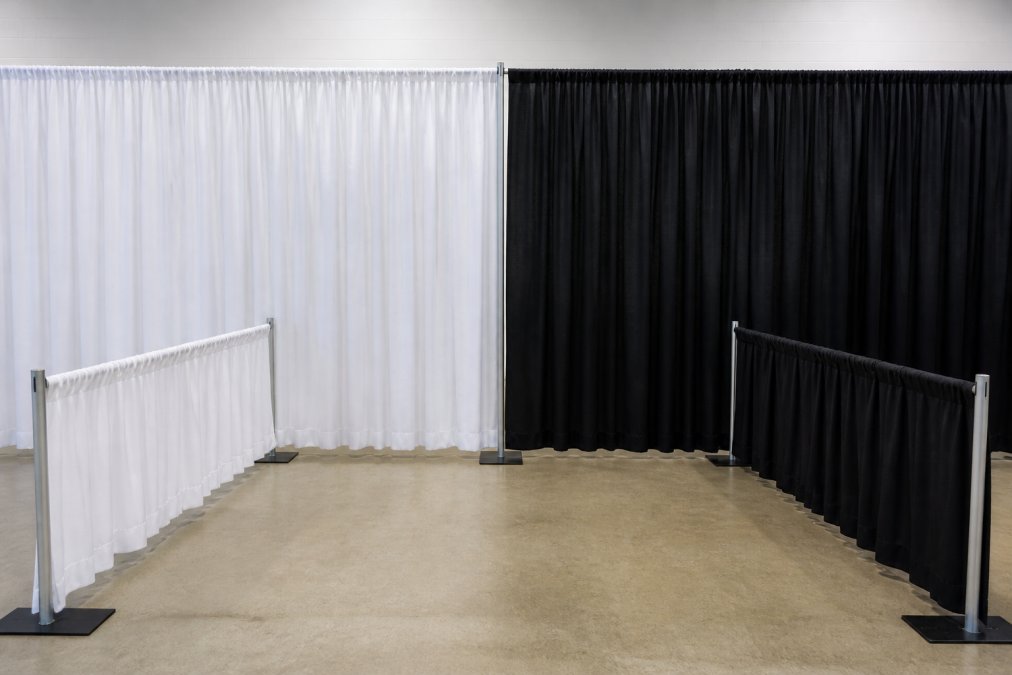
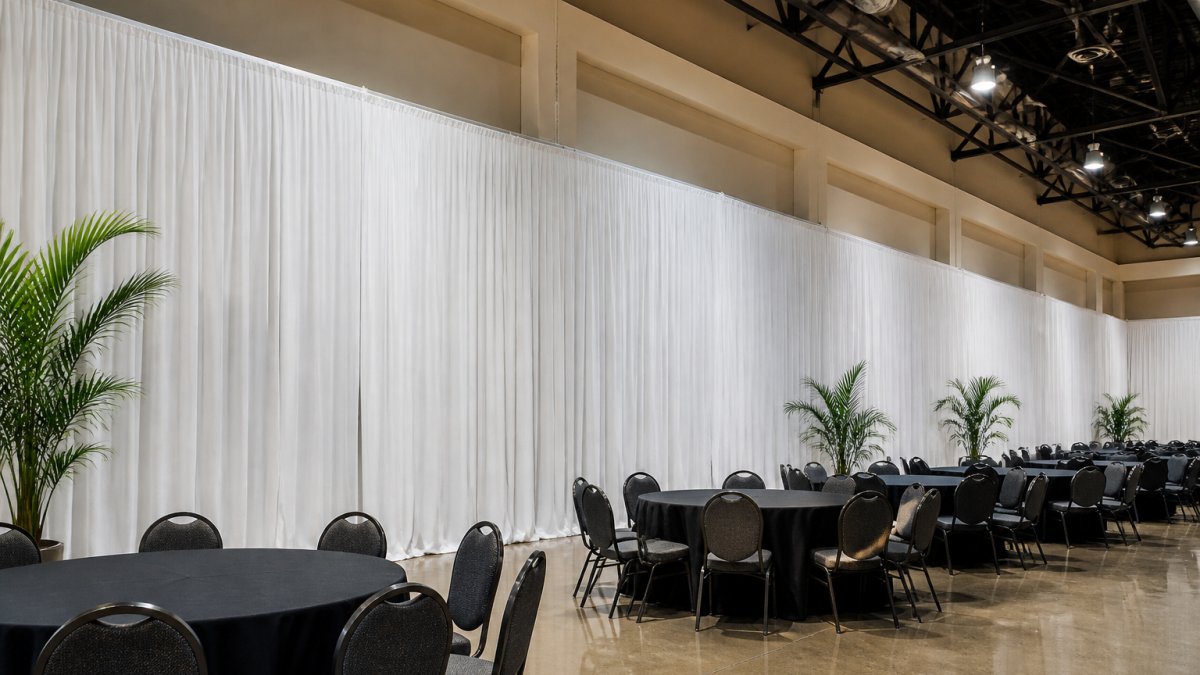
 comparison
Extra-Wide Drapes for Large Venues: A 2026 Guide
Table of Contents
- Where to Find Extra-Wide Drapes for Large Venues
- Pipe and Drape for Large Venues: What You Need to Know
- How to Measure for Venue Draping
- Event Draping Cost Per Square Foot: Budget Planning
- Renting Versus Buying Event Drapes
- Key Features to Evaluate: Height, Fabric, and Installation
- Frequently Asked Questions
Last Updated: October 16, 2026
Where to Find Extra-Wide Drapes for Large Venues
Finding the right extra-wide drapes large venues need requires knowing where to look and what questions to ask.
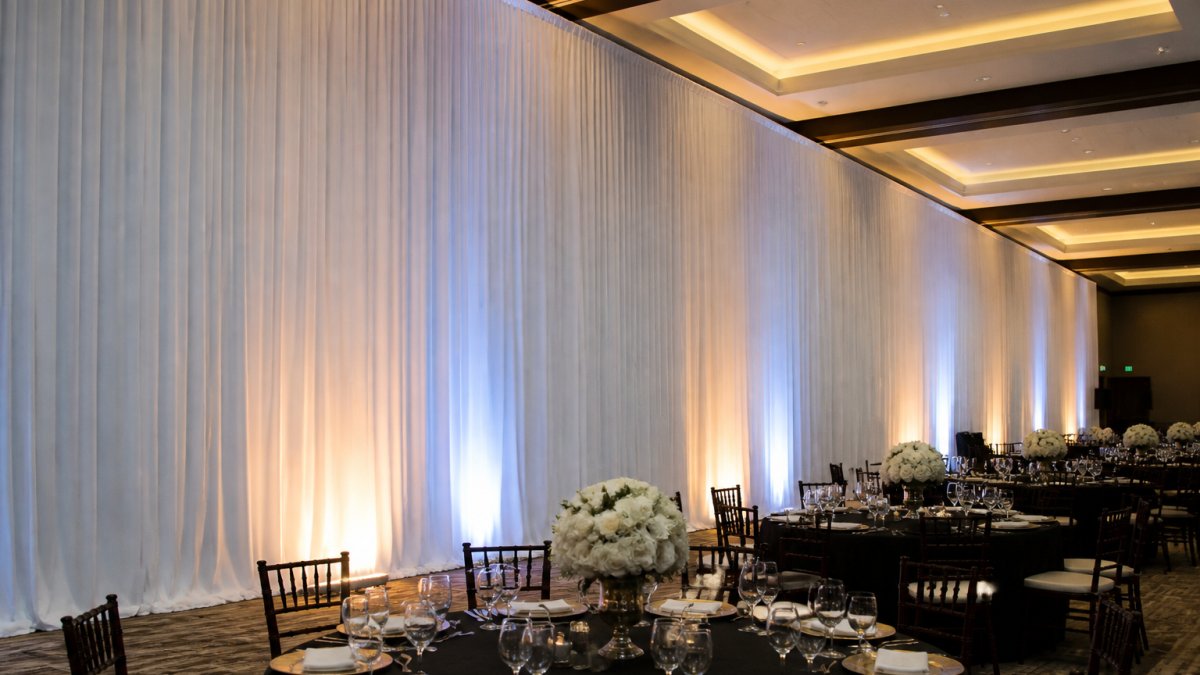
The challenge isn't just finding drapes that exist, it's finding a partner who understands your specific needs. Large venues demand solutions that go beyond standard retail offerings.
At Event Drape Rental, we work with event planners and venue managers daily who face this exact problem.
Your options fall into three categories: specialty event rental companies, commercial curtain suppliers, and ready-made retailers. Each has trade-offs worth understanding before you commit.
Event rental specialists like Event Drape Rental carry inventory specifically designed for temporary installations. They understand venue logistics, offer professional installation, and stock colors and fabrics chosen for events.
Commercial curtain suppliers sell to theaters, schools, and corporate offices. They can often handle extreme heights, some go up to 40 feet, and offer custom fabrication.
Retail retailers like Half Price Drapes offer ready-made panels up to 100 inches wide at transparent prices. These work for smaller spaces or DIY installations, but they don't solve the large-venue problem.
The real solution depends on your venue size, timeline, and budget. For most large venues, a dedicated event rental company is the practical choice.
Pipe and Drape for Large Venues: What You Need to Know
Pipe and drape systems are the professional standard for large-venue installations. They consist of vertical pipes (typically 1-1/2 inch diameter) connected to horizontal crossbars, with drapes hung from the frame. This approach works because it's modular, adjustable, and doesn't require permanent installation.
The system's flexibility is its biggest advantage. You can create walls at any height, divide large spaces into smaller sections, or create dramatic backdrops. For trade shows, the pipe-and-drape frame defines booth boundaries.
Understanding the components matters. The frame itself is rental-grade steel that can handle significant weight.
Most venues benefit from 1.5x fullness, meaning the drape width is 1.5 times the width of the space it covers. A 10-foot-wide wall needs 15 feet of fabric width. This creates gentle folds that look intentional rather than stretched or bunched.
Height is where large venues get complicated. Standard residential curtains top out around 9 feet. For venues with 12-foot, 20-foot, or even 30-foot ceilings, you need suppliers who stock extra-long drapes.
Fire-retardant certification is non-negotiable for commercial venues. Most event drapes meet NFPA 701 standards, which govern flammability for theatrical and event use. Your venue's fire code may require this certification; your insurance certainly will.
How to Measure for Venue Draping
Getting measurements right prevents expensive mistakes. A miscalculation of 2 feet in height can ruin the aesthetic or require last-minute adjustments that look sloppy.
Calculating Width and Fullness
Start with the linear footage you need to cover. Measure the wall or space width in feet. If you're covering a 30-foot ballroom wall with 1.5x fullness, you need 45 feet of drape width total.
Next, determine your panel configuration. Standard drape panels come in specific widths, commonly 54 inches (4.5 feet) or 60 inches (5 feet). Divide your total width needed by the panel width. For 45 feet of coverage using 54-inch panels: 45 feet ÷ 4.5 feet = 10 panels.
This matters because seams are visible. Ten panels means nine seams running vertically. Some event designers prefer fewer, wider panels to minimize seams, even if it means custom fabrication. Others accept the seams as part of the aesthetic.
The fullness ratio also depends on your fabric. Heavier fabrics like velvet or blackout material look good at 1.5x fullness. Lighter silks or linens might need 1.75x or 2x fullness to avoid looking thin. Discuss this with your supplier, they can recommend based on the specific fabric you choose.
Accounting for Height and Panel Count
Measure from where the drape will hang (typically the top of the pipe-and-drape frame) to the floor. Include the 2- to 4-inch puddling allowance. A 20-foot ceiling requires a 20-foot-2-inch to 20-foot-4-inch drape.
Here's the critical detail: most suppliers cut drapes in standard heights. If you need 20 feet 2 inches, you can't always get that exact measurement. You'll order 20 feet and have the supplier add a hem extension, or order 21 feet and plan for a slightly larger puddle. Confirm with your supplier how they handle odd measurements.
If your venue has multiple wall heights, sloped ceilings, mezzanines, or architectural features, you may need drapes in multiple heights. A warehouse with 20-foot walls and a 40-foot peak requires planning. Some designers use shorter drapes on the lower sections and custom-cut taller panels for the peak.
Doorways and architectural features require measurement too. If you're draping around a doorway, measure the opening width and height. You'll either need panels that skip the opening or panels that can be parted and tied back. Event Drape Rental can work with these configurations, but accuracy in measurement prevents costly adjustments on-site.
Event Draping Cost Per Square Foot: Budget Planning
Pricing for event draping cost per square foot varies widely based on several factors, so understanding the variables helps you budget accurately.
The base calculation is straightforward: multiply the linear footage of drape you need by the height. A 30-foot-wide wall at 20 feet tall is 600 square feet.
Fabric choice significantly affects cost. A basic polyester lining costs less than velvet or specialty textured fabrics. Fire-retardant certification adds cost.
Installation labor is often the largest variable. Professional installation for a large venue can take a full day or more, depending on complexity. DIY installation saves money but requires time, equipment, and skill.
Delivery and logistics matter too. If you're renting from a local supplier, delivery is straightforward. If you're ordering from across the country, shipping costs and logistics complexity increase.
Here's what most event planners miss: the total project cost includes not just the drapes themselves, but the frame, hardware, labor, delivery, and often a contingency for last-minute changes.
Many suppliers offer volume discounts for large quantities or multi-day rentals. If you're renting drapes for a three-day conference, you'll often pay less per day than a one-day event.
Renting Versus Buying Event Drapes
The decision between renting and buying depends on frequency, storage, and long-term use.
Rent if: You host one or two large events per year. The cost of purchasing, storing, and maintaining drapes exceeds the rental cost over five years. You want the latest colors and fabrics without inventory risk.
Buy if: You host frequent large events, monthly or more. You have dedicated storage space. You're willing to manage inventory, cleaning, and maintenance. You want consistent branding across events with the same drapes.
For most event planners, renting makes financial sense. Drapes take up significant storage space. They require regular cleaning, which adds cost. Fabrics fade or wear over time. Rental companies handle all of this, and you get fresh, well-maintained drapes for each event.
However, if you run an in-house event department or manage a venue, buying can be cost-effective. You control inventory, can customize colors to your brand, and don't depend on external suppliers' availability. The trade-off is managing the logistics yourself.
One factor many overlook: rental companies maintain relationships with venues. They know which colors work in which spaces, understand fire codes, and can troubleshoot installation issues. That expertise is part of what you're paying for.
Key Features to Evaluate: Height, Fabric, and Installation
When comparing suppliers for extra-wide drapes large venues, focus on three non-negotiable features.
Maximum Height and Coverage Options
Can the supplier provide drapes in the height you need? Standard residential curtains max out around 9 feet. For large venues, you need at least 12 feet, ideally 20 to 30 feet. Event Drape Rental stocks drapes up to 30 feet, which covers most commercial applications.
Ask about custom heights. If your venue is 22 feet tall and the supplier's standard is 20 feet, can they fabricate a custom height? How long does that take? What's the additional cost?
Coverage is equally important. Can they provide the width you need without excessive seaming? If you need 50 feet of coverage and they only stock 40-foot-wide panels, you'll have a visible seam in the middle of your wall. That might be acceptable, or it might break your design. Confirm before committing.
Fabric Selection and Fire-Retardant Standards
Quality fabrics make a visible difference. Polyester is affordable and durable. Velvet looks luxurious but is heavier and requires more careful handling. Linen or faux linen offers a natural look. Blackout fabric blocks light completely, ideal for conferences or galas where you need light control.
Fire-retardant certification is mandatory for commercial venues. NFPA 701 compliance is the standard in the U.S. Your venue's fire marshal or insurance company will require it. Confirm that the supplier's drapes meet this standard and that they can provide documentation.
Ask about color availability. Event Drape Rental offers over 100+ colors, which gives you flexibility. If a supplier only stocks 20 colors, you're limited. Custom colors are possible but add cost and lead time.
Professional Installation Versus DIY
This decision affects both cost and outcome. Professional installation ensures the drapes hang straight, are properly tensioned, and look polished. The installer understands how to work with high ceilings, manage heavy fabric, and troubleshoot on-site problems.
DIY installation saves money but requires equipment (ladders, tools), time, and skill. For a 30-foot wall, you need proper scaffolding or lifts. For a 50-foot-wide installation, you need multiple people coordinating. Many event planners underestimate the complexity and end up with a rushed, unpolished result.
Ask your supplier about installation timelines. How much notice do they need? Can they accommodate rush orders? What's included in the installation fee? Some suppliers include a site visit to assess the space; others charge separately.
Finding the right supplier for extra-wide drapes for large venues comes down to matching your specific needs with a partner who understands venue logistics, offers the heights and widths you require, and delivers professional results. Event Drape Rental provides the inventory depth, fabric options, and installation expertise that large venues demand. Request a quote and discuss your venue's specific requirements, height, width, color, and timeline.
Frequently Asked Questions
Where can I rent extra-wide drapes for a large venue?
Professional event rental companies like Event Drape Rental specialize in extra-wide drapes for large venues, offering heights from 12 to 30 feet and custom sizing options. Rental providers handle delivery, installation, and pickup, making them ideal for one-time events. Compare suppliers based on their inventory size, color and fabric options, installation capabilities, and references from similar events. Request quotes from multiple providers to evaluate pricing and service terms for your specific venue dimensions.
How do I measure a large venue for draping?
Measure the linear feet of wall space you want to cover, then multiply by the height in feet to calculate total square footage. Account for fullness (typically 1.5 to 2 times the wall width) to achieve professional appearance and proper light blocking. Measure ceiling height, note any obstructions like columns or exits, and identify doorways and windows. Provide these dimensions to your rental provider so they can recommend panel sizes, calculate the number of panels needed, and ensure proper coverage without gaps or excess fabric bunching.
Is it better to rent or buy drapes for a large event?
Renting is typically better for one-time or occasional events because it eliminates storage, maintenance, and cleaning costs. Rental includes delivery, professional installation, and pickup. Buying makes sense only if you host multiple large events annually and have adequate storage space. Consider that commercial-grade drapes for large venues cost significantly more to purchase upfront, and fire-retardant treatments and cleaning add to ownership expenses. Rental providers maintain inventory in multiple colors and fabrics, giving you flexibility without capital investment.
What fire-retardant standards apply to event drapes?
Event drapes must meet NFPA 701 (National Fire Protection Association Standard 701) for flame resistance, which is required by most venues and fire codes. Professional rental companies provide flame-retardant-treated drapes that comply with these standards. Always confirm that your rental provider's drapes carry current NFPA 701 certification and request documentation before delivery. Venues often require proof of compliance, particularly for corporate events, trade shows, and public gatherings. Non-compliant drapes can result in event cancellation or liability issues.
How much does event draping cost per square foot?
Pricing for event draping varies based on rental duration, fabric choice, delivery distance, installation method, and venue size. Costs depend on whether you choose standard inventory colors or custom options, and whether you opt for DIY or professional installation. Contact rental providers directly for current pricing and request detailed quotes that break down rental, delivery, and installation fees separately. Bulk orders and multi-day rentals often have discounted per-square-foot rates, so discuss volume and timing when requesting quotes.